
By: Tabi Youngs, LCSWA
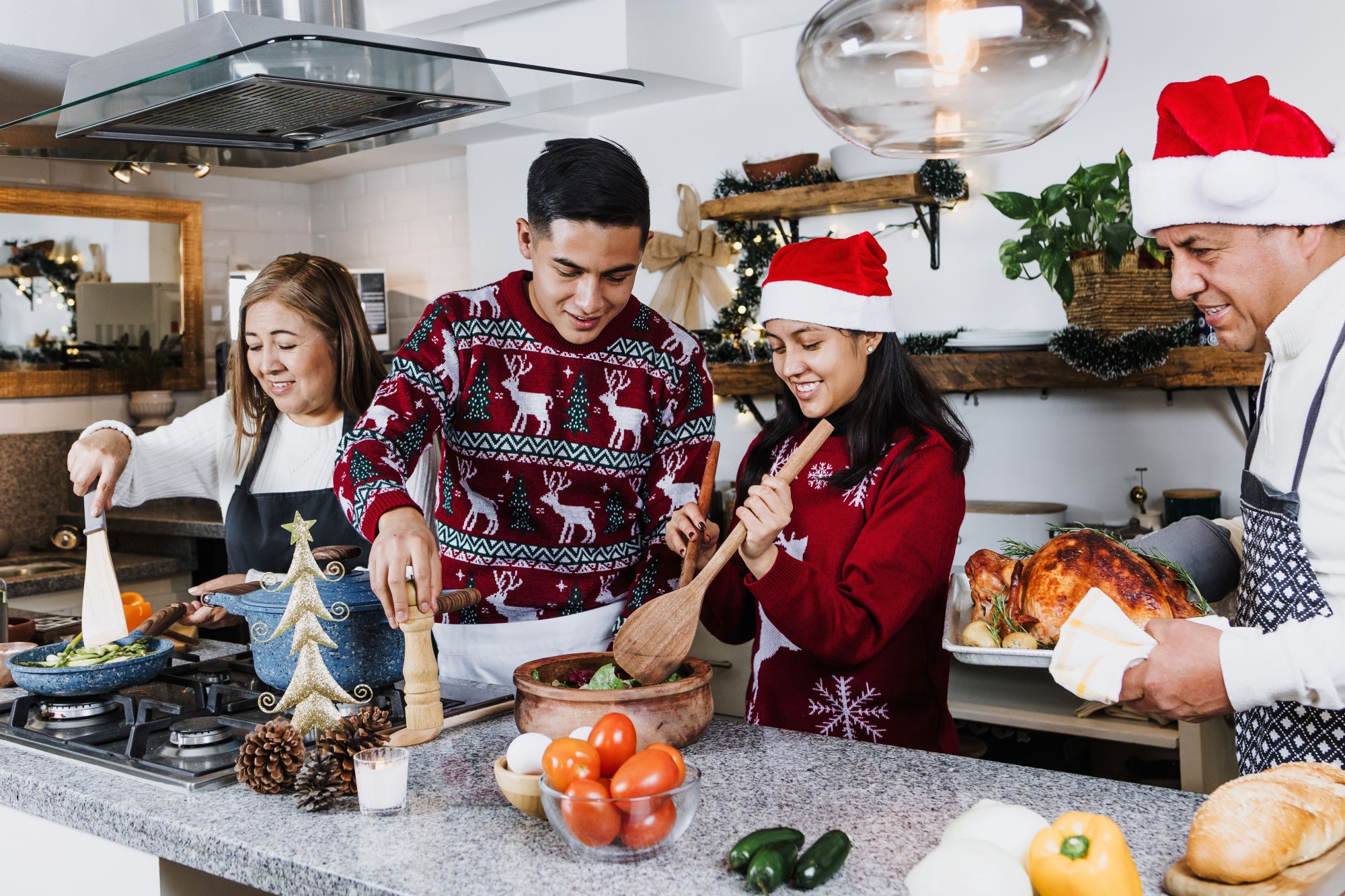
When looking back on some of my favorite holiday moments, most of them center around gathering with family and sharing favorite foods with loved ones. However, for many people, this isn’t their experience. Anxiety around family and food related activities often arise and can be difficult to cope with.
Disordered eating behaviors are complex, and no two experiences are the same. These thoughts and behaviors can take a toll on your child’s mental, social, physical, emotional and even spiritual wellbeing, so it can make sense that your child may feel more triggered around holidays where food is the centerpiece of gatherings.
So, how do you support your loved ones that may struggle from discomfort with food related gatherings or disordered eating behaviors especially during the holiday season? While every situation is unique, there are some helpful strategies to keep in mind as you navigate the holiday season with care.
Here are some tips and strategies that you can incorporate around the holidays to make the environment of food a little less anxiety provoking:
- Refrain from making comments about other people’s portions/food choices, body appearance, or clothing choices during holiday meals and gatherings.
- Discuss ways to support your child before stressful events. This can look like proactively identifying a supportive person for them to sit next to at the table, planning an activity (playing a game, watching a show) after a meal, or detailing a plan to support them when diet talk or triggering topics arise at gatherings.
- Self care is important during this time of year for you and your child ensure you both have plans to practice self-care and use cope ahead plans as appropriate.
- Encourage regular eating and rest. Urges to use behaviors might increase – and routined, consistent eating can help decrease urges.
- Model food neutrality for your loved one – all food fits in a balanced diet, there is no such thing as “good food” or “bad food,” especially during the holidays!
- Focus on non-food aspects of the holidays. Is there a special family tradition or important cultural component to your holiday celebration? Bring attention and importance to the overall meaning of holidays to your family.
While every situation is unique, preparing ahead can really make a difference, there are some helpful strategies to keep in mind as you navigate the holiday season with care.
The holidays naturally heighten emotions, both positive and negative. Pay attention to any shifts in your child’s relationship with food or their body that you may not have noticed before
Possible warning signs of disordered eating include:
- Intense fear of gaining weight.
- Frequently checking reflective surfaces for “flaws.”
- Eating smaller portions than usual/ increased difficulty eating with others/ change in exercise patterns to over exercise to burn calories.
- Spending time in the bathroom after eating.
- Avoiding friends.
- Mood swings.
- Extreme anxiety about sticking to routines.
Overall, the holiday season can be a very stressful time for your children and their inner critic they carry. Encourage flexibility and moving away from black and white thinking, and be open to seeking guidance where necessary, from a treatment team composed of a dietician and a clinical therapist trained for assessing disordered eating behaviors. The following resources can provide additional information and guidance on the topic of disordered eating.